Specialized Care
Revoking Hospice: You Can Always Change Your Mind
- Cindy Curry
- February 9, 2026
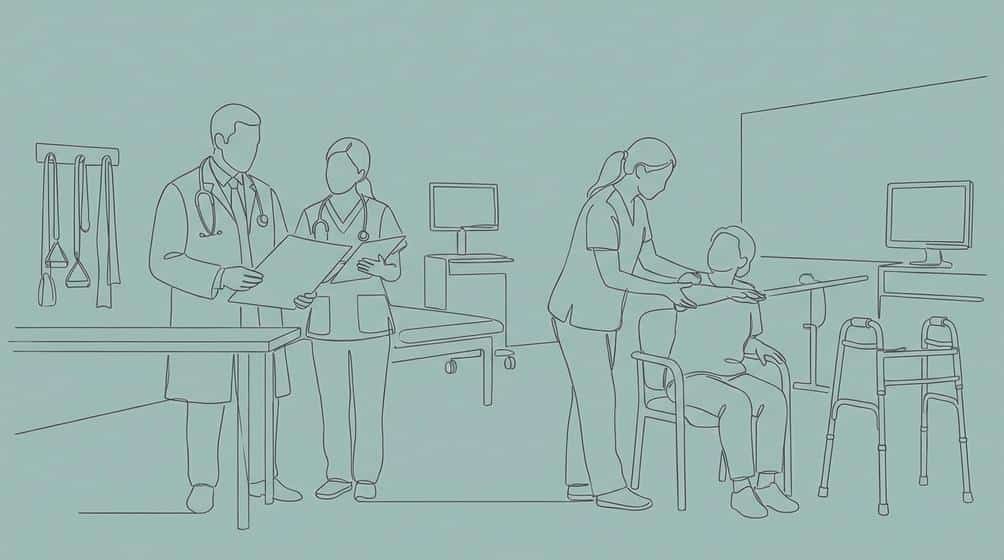
Making the decision to begin hospice care is significant, filled with deep emotion and careful consideration. For many, it feels like a final, irreversible step. This perception can cause hesitation and anxiety for patients and their families, who may fear they are closing a door forever. However, one of the most important and often overlooked truths about hospice is that it is a choice—and you always have the right to change your mind.
The philosophy of hospice is centered on the patient’s comfort, dignity, and personal wishes. That commitment to patient autonomy extends to the very choice of being in hospice care itself. You are always in control of your healthcare journey.
This article will walk you through the right to revoke hospice, why someone might make that decision, and what happens next, ensuring you and your loved ones feel empowered and informed every step of the way.
Hospice is a Choice, Not a Final Contract
One of the most persistent myths about hospice care is that once you enroll, you cannot leave. The reality is the opposite. Patients have the right to change their minds about being in hospice care based on their circumstances and preferences. This flexibility is a fundamental patient right, ensuring that your care plan always aligns with your current goals.
Hospice is not a binding contract but a voluntary service elected by the patient. At any point, for any reason, a patient can decide to stop receiving hospice services. As one provider wisely puts it, “ Hospice care is a choice, not a final sentence. ” The power to direct your care remains firmly in your hands.
Common Reasons for Revoking Hospice Care
While the decision to revoke hospice is deeply personal, it often stems from a change in the patient’s condition or goals. There is no right or wrong reason, only what is best for you and your family.
- Unexpected Improvement: Sometimes, a patient’s condition may stabilize or even improve. With the focused comfort care , pain management, and emotional support provided by hospice, some individuals find their strength rallies, and their illness goes into a period of remission.
- A Desire to Pursue Curative Treatment: A new clinical trial might become available, or a patient may decide they want to try another round of aggressive treatment. Hospice patients always have the right to return to medical treatment aimed at curing their illness. Choosing comfort care today does not prevent you from choosing curative care tomorrow.
- A Change in Personal Goals: A patient’s priorities can shift. They may decide they want to be re-hospitalized to manage a specific symptom or simply feel that hospice is no longer the right fit for their emotional or spiritual needs at that moment.
The Simple Process of Revocation
Leaving hospice is a straightforward administrative process designed to be as stress-free as possible. The patient, or their legal healthcare representative, simply needs to sign a form stating their decision to revoke the Medicare Hospice Benefit.
The hospice team will support you through this transition with the same compassion they offered upon admission. They will explain the necessary paperwork and help coordinate the next steps in your care, ensuring a smooth and respectful handover , whether you are returning to a hospital or resuming care with your primary physician.
What Happens After Leaving Hospice?
Once the revocation is complete, your original healthcare coverage, such as Medicare Part A and B, is immediately reinstated. You can once again seek curative treatments, visit the hospital, and consult with specialists. Essentially, your healthcare plan returns to how it was before you elected hospice.
Most importantly, revoking hospice does not mean you can never use the benefit again. Should your health decline in the future or your goals shift back toward comfort care, you can re-enroll in a hospice program as long as you continue to meet the eligibility criteria. The door is always open to the comfort and support that hospice provides.
Understanding that you can change your mind offers immense peace and reassurance. It allows patients and families to embrace hospice for the support it offers today, without fearing it will limit their options for tomorrow.
If you have questions about the flexibility of hospice care or want to understand all your options, our team is here to provide clear, compassionate answers. Connect with Cairo Hospice at +1 (937) 303-0593 to speak with a care coordinator who can guide you with no obligation.
You can also download our Complete Guide to Hospice Care for comprehensive information about the services and support available to you and your family.
Key Takeaways
- Hospice is a Choice: You have the right to start and stop hospice care at any time, for any reason.
- Your Goals Can Change: Patients may revoke hospice to pursue a new curative treatment, because their health has improved, or if their care goals shift.
- You Can Always Return: If your circumstances change again in the future, you can re-elect your hospice benefit, ensuring you always have access to comfort and support.
Read more related articles

Grief Support
End of Life Bible Verses for Caregivers: Strength and Hope
- August 3, 2026
Dementia Care
Guiding Your Spirit: Cultural & Spiritual Hospice Support
- July 27, 2026

Spiritual Signs Death Is Near: A Compassionate Guide
- July 20, 2026
The Compassion Chronicle