Specialized Care
Compassionate Hospice Care at Home: What to Expect
- Cindy Curry
- June 15, 2026
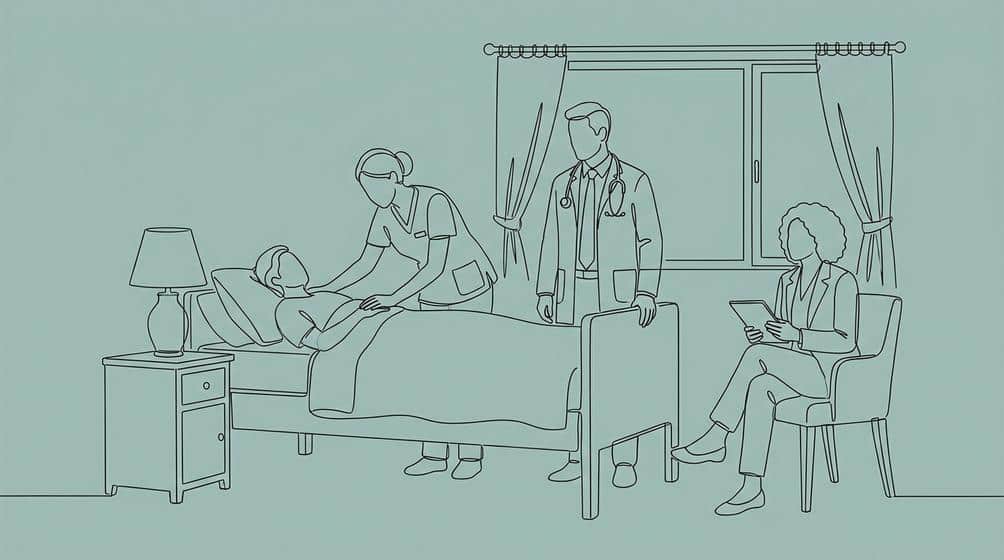
Choosing hospice care is a significant decision, made during a deeply personal and often challenging time. Bringing this level of care into the home allows a loved one to spend their final months in a place of comfort, surrounded by familiar sights, sounds, and memories. Yet, it’s natural for families to wonder what this journey will actually look like.
Understanding the process can transform apprehension into a feeling of empowerment. Hospice care at home is not about giving up; it’s about shifting the focus to quality of life and ensuring every moment is lived with dignity and peace. This guide will walk you through what to expect, from the first visit to the ongoing support your family will receive.
The First Few Days: A Gentle Start
The beginning of home hospice care involves a series of gentle, informative steps. Once your loved one is admitted, you can expect to meet the core members of the hospice team. This initial period is focused on understanding your family’s unique needs and creating a personalized care plan.
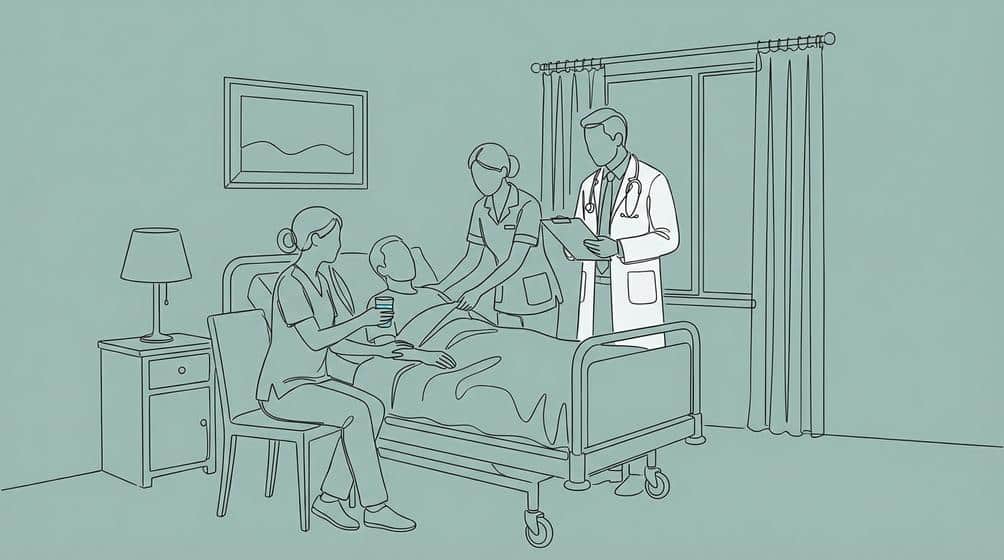
Hospice care is provided by an interdisciplinary team of professionals with extensive experience in end-of-life care. This team typically includes a registered nurse, a hospice aide, a social worker, and a spiritual counselor or chaplain. During their first visits, they will introduce themselves and explain their roles, ensuring you know who to call for different types of support. The primary goal is to address immediate medical needs, anticipate future requirements, and assess what caregivers need to feel supported.
Your Compassionate At-Home Care Team
The hospice team does not replace you as the primary caregiver but rather supports you in that role. They work in partnership with the patient’s primary physician to ensure seamless, high-quality care. Here’s a look at who you’ll meet:
- Registered Nurse (RN) Case Manager: The RN is your main point of contact. They manage the patient’s symptoms, administer medications, and educate the family on the patient’s condition and what to expect.
- Hospice Aide: Aides provide crucial hands-on support. They assist with personal care tasks such as bathing, dressing, and other activities of daily living, helping your loved one feel comfortable and clean.
- Social Worker: Hospice social workers offer emotional support and practical guidance. They can help navigate complex family dynamics, assist with financial questions, and connect you to community resources. You can learn more about how they act as the heart of family advocacy in hospice in our related article.
- Spiritual Counselor/Chaplain: This team member is available to patients and families of all faiths and beliefs. They provide spiritual comfort, help with existential questions, and offer a calming presence.
After the first few days of introductory meetings, the visit schedule will settle into a routine. The frequency of visits is based entirely on the patient’s needs, and the team is always available by phone 24/7 for any urgent concerns.
What Daily Care Looks Like
A common question is what a typical day with home hospice looks like. While every day is different, the focus remains constant: comfort, dignity, and peace. The hospice aide may visit a few times a week to help with personal care, which can be physically demanding for family caregivers. This support is vital, helping with everything from repositioning in bed to prevent sores to offering a gentle bath.
The nurse will visit regularly to assess symptoms, manage pain, and ensure the care plan is effective. They will teach you how to administer medications and what to look for as your loved one’s condition changes. The goal is to manage symptoms so effectively that the patient can enjoy their time with family, free from pain and distress.
Emotional and Spiritual Support for the Whole Family
Hospice care is about more than just physical symptoms. It’s a holistic philosophy that embraces the emotional and spiritual needs of both the patient and their family. The journey is an emotional one for everyone involved, and you are not expected to walk it alone.
Your social worker and chaplain are dedicated to supporting the entire family. They provide a safe space to discuss fears, share memories, and process anticipatory grief. This comprehensive support system is what makes hospice care so profoundly different—it wraps around your family, offering strength and compassion when you need it most.
Navigating this journey is a profound act of love, and having the right support makes all the difference. If you have questions about how hospice care can provide comfort and dignity at home, our compassionate team is available to talk at +1 (937) 303-0593 . For a detailed overview you can reference anytime, we invite you to explore our Hospice Care Guide .
Choosing hospice at home is choosing to fill the final chapter of life with meaningful moments, comfort, and connection, right where it matters most.
Key Takeaways
- Hospice care at home is delivered by a dedicated team of professionals who support, rather than replace, family caregivers.
- The primary focus is on managing pain and symptoms to ensure the patient’s comfort and enhance their quality of life.
- Care is holistic, providing emotional, spiritual, and practical support to the entire family throughout the end-of-life journey.
Read more related articles

Grief Support
End of Life Bible Verses for Caregivers: Strength and Hope
- August 3, 2026
Dementia Care
Guiding Your Spirit: Cultural & Spiritual Hospice Support
- July 27, 2026

Spiritual Signs Death Is Near: A Compassionate Guide
- July 20, 2026
The Compassion Chronicle