Specialized Care
Hospice for Neurological Conditions: Dignity Through Decline
- Cindy Curry
- November 18, 2025

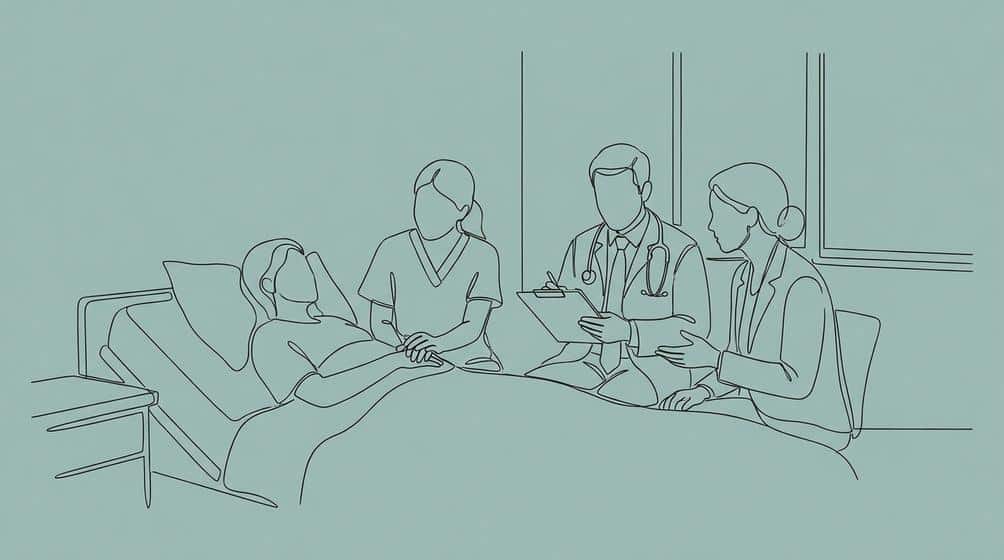
Receiving a diagnosis of a progressive neurological disease, such as Parkinson’s, Multiple Sclerosis (MS), or Huntington’s, marks the beginning of a long and uncertain journey. For patients and their families, the path is often defined by a slow, unpredictable decline in physical and cognitive function. While a cure may not be possible, there is a way to ensure comfort, preserve dignity, and enhance quality of life at every stage: specialized hospice care.
Unlike the more predictable trajectory of some illnesses, progressive neurological conditions present unique challenges. The focus of care must shift over time from managing the disease to managing its complex symptoms. Hospice provides a compassionate, holistic approach that supports not only the patient but also the entire family navigating this profound experience.
This article explores how hospice serves individuals with advanced neurological diseases, from understanding eligibility to managing specific symptoms and supporting the emotional needs of everyone involved.
Understanding When Hospice is the Right Choice
One of the most common questions families ask is, “When is it time for hospice?” For neurological conditions, the answer isn’t based on a simple timeline. Instead, eligibility is determined by observing a significant functional decline. The Centers for Medicare & Medicaid Services (CMS) provides specific hospice eligibility criteria for neurological diseases that focus on key indicators.
A physician may recommend a hospice consultation when a patient shows:
- Severe Functional Decline: The patient becomes dependent in most Activities of Daily Living (ADLs), such as dressing, bathing, walking, and eating. They may be largely confined to a bed or chair.
- Nutritional Impairment: Significant weight loss occurs, and swallowing difficulties (dysphagia) make it hard to eat or drink safely, increasing the risk of aspiration pneumonia.
- Speech Difficulties: Communication becomes severely impaired, with speech that is barely intelligible or nonexistent.
- Life-Limiting Complications: The patient experiences recurrent infections like pneumonia or sepsis, pressure ulcers, or other serious health issues related to their immobility and fragile condition.
Specialized Care for Complex Neurological Symptoms
Hospice care for neurological patients is highly specialized, addressing a range of symptoms that go far beyond pain management. As a 2023 study in the American Journal of Hospice and Palliative Medicine highlights, the challenges in providing palliative care for these conditions require a skilled, interdisciplinary team.
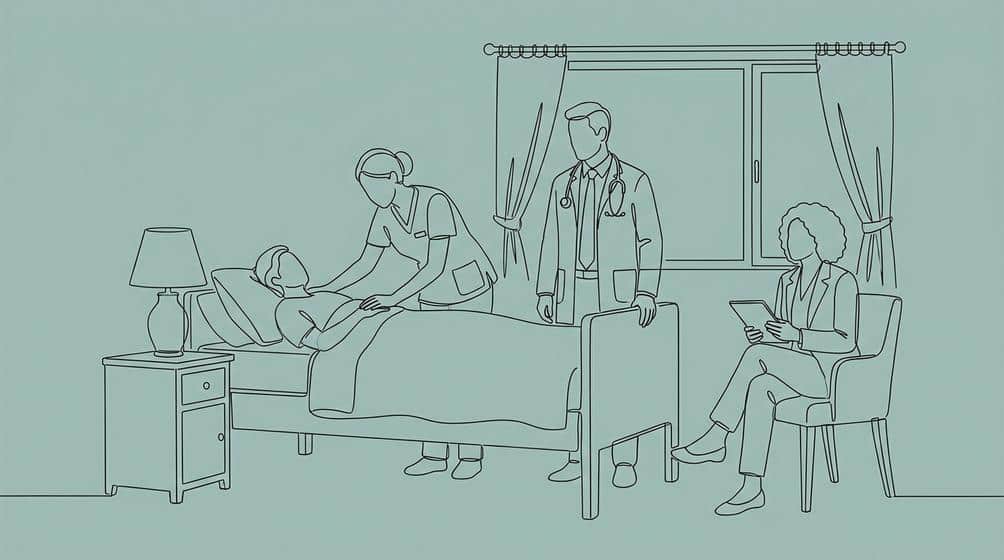
The hospice team works together to manage:
- Movement and Mobility: Nurses and aides help manage muscle rigidity, tremors, and spasticity to maximize comfort. They also implement fall prevention strategies and provide necessary equipment like hospital beds or specialized wheelchairs.
- Swallowing and Nutrition: A speech therapist can assess swallowing safety, while the team works with the family to modify food textures and provide guidance that makes mealtimes safer and more enjoyable.
- Communication: When speech becomes difficult (dysarthria), the team helps find alternative ways to communicate, ensuring the patient’s voice is still heard through writing boards, gestures, or other tools.
- Cognitive and Behavioral Changes: The hospice team provides strategies to manage confusion, agitation, or anxiety, creating a calm and secure environment for the patient while offering coping mechanisms for the family.
The Importance of Early Palliative Support
Leading organizations are increasingly advocating for integrating palliative care principles early in the disease process, long before the terminal stage. The National Institute of Neurological Disorders and Stroke (NINDS) emphasizes that palliative care isn’t just for the end of life; it’s about living as well as possible for as long as possible. Introducing these conversations early helps with complex medication management and, crucially, allows for advance care planning while the patient can still express their wishes.
For diseases like Parkinson’s, the Parkinson’s Foundation explains that early palliative support helps manage symptoms and provides an essential layer of support for caregivers who face years of physical and emotional strain. This proactive approach ensures that the patient’s goals and values guide every decision along the way.
A Circle of Support for Families and Caregivers
Progressive neurological diseases place an immense burden on family caregivers. The slow decline means families witness progressive losses over many months or years. This long trajectory is one reason why patients with non-cancer diagnoses often have a longer length of stay in hospice, underscoring the need for robust family support.
Hospice care envelops the entire family, offering:
- Respite Care: This provides short-term inpatient care for the patient, giving exhausted caregivers a much-needed break to rest and recharge.
- Emotional and Spiritual Support: Social workers and spiritual care coordinators help families process grief, navigate difficult emotions, and find meaning during a challenging time.
- Education and Guidance: The hospice team equips the family with the knowledge and skills to care for their loved one confidently at home.
- Bereavement Support: Care continues even after a loved one has passed, with counseling and support groups available for up to 13 months.
Hospice for neurological conditions is not about giving up hope. It is a powerful choice to redefine hope—shifting the focus from finding a cure to achieving the best possible quality of life. It’s about ensuring that every moment is lived with comfort, dignity, and the profound connection of family.
For families navigating the complexities of a progressive neurological illness, understanding your options is the first step toward peace of mind. To learn more about how specialized hospice care can enhance quality of life , call the compassionate team at Cairo Hospice at +1 (937) 303-0593 .
You can also download our Complete Guide to Hospice Care for a detailed look at the services and support available for your loved one and your family.
Key Takeaways
- Hospice eligibility for neurological conditions is based on functional decline, such as loss of mobility, swallowing difficulties, and significant weight loss, rather than a strict timeline.
- Care is highly specialized to manage complex symptoms like muscle rigidity, communication challenges, and behavioral changes to ensure comfort and preserve dignity.
- Early integration of palliative care allows for better long-term symptom management, advance care planning, and crucial support for family caregivers facing a prolonged journey.
Read more related articles

Grief Support
End of Life Bible Verses for Caregivers: Strength and Hope
- August 3, 2026
Dementia Care
Guiding Your Spirit: Cultural & Spiritual Hospice Support
- July 27, 2026

Spiritual Signs Death Is Near: A Compassionate Guide
- July 20, 2026
The Compassion Chronicle