Specialized Care
Hospice Care for End-Stage COPD: Breathing Easier with Comfort-Focused Support
- Cindy Curry
- November 9, 2025
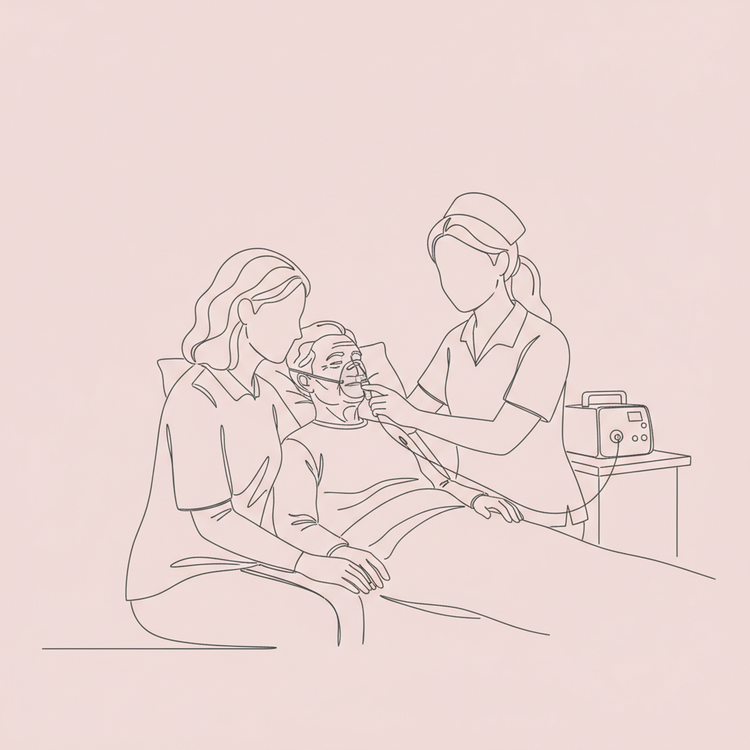
Chronic Obstructive Pulmonary Disease (COPD) can be a challenging journey, marked by increasing breathlessness and anxiety. For individuals living with end-stage COPD, the focus shifts from curative treatments to ensuring comfort, dignity, and the best possible quality of life. Hospice care offers a compassionate path forward, providing specialized support that helps ease physical symptoms and emotional distress for both patients and their families.
At Cairo Hospice, we understand the unique struggles associated with advanced lung disease. This article will explore how hospice care can make a profound difference, from identifying eligibility to implementing effective symptom management and supporting caregivers every step of the way.
Clinical Markers for Hospice Eligibility in COPD
Determining when hospice care is appropriate can be complex for conditions like COPD, which have a less predictable trajectory than some other terminal illnesses. Generally, eligibility for hospice for severe lung disease, including COPD, is met when a patient has significant functional impairment and frequent exacerbations, despite optimal medical management. Medicare guidelines often look for evidence of severe lung disease and significant functional decline to determine eligibility ( Medicare.gov ).
Recent studies indicate that many patients with advanced COPD are referred to hospice late in their disease course, missing out on crucial support earlier. This delay often stems from challenges in accurate prognostication, highlighting a disconnect between COPD prognosis and hospice referral ( Hospice News ). Early discussions about hospice can ensure timely access to comfort-focused care.
Effective Symptom Management: Breathing Easier
The hallmark symptoms of end-stage COPD are breathlessness (dyspnea) and anxiety. Hospice care excels at managing these distressing symptoms through a multi-faceted approach. Pharmacologic interventions may include opioids to reduce the sensation of breathlessness and anxiolytics to calm panic and anxiety. These are carefully managed to provide relief without excessive sedation ( Hospice News , referring to clinical guidelines).
Beyond medication, non-pharmacologic strategies play a vital role. These include oxygen therapy tailored to individual needs, breathing techniques taught by skilled therapists, and emotional support to prevent or mitigate panic attacks. The goal is to maximize comfort and help patients feel more in control of their breathing.
Empowering Caregivers Through Education and Support
Family caregivers of individuals with end-stage COPD often bear a substantial physical and psychological burden. Hospice care recognizes this and provides comprehensive support and education designed to empower them. This includes training on symptom recognition, safe medication administration, and practical strategies for managing distress at home ( National Institute of Nursing Research ).
By equipping caregivers with knowledge and emotional tools, hospice programs help reduce emergency visits and improve patient comfort significantly. Knowing what to expect and how to respond can transform a stressful situation into a manageable one, fostering a sense of peace for the entire family.
The Benefits of Early Planning and Advance Care Discussions
Proactive advance care planning is invaluable for individuals with COPD. Engaging in discussions about end-of-life preferences early on can lead to reduced aggressive medical interventions and increased utilization of hospice services when appropriate (Health Affairs). This ensures that care aligns with the patient’s wishes and values, promoting a greater sense of peace and control.
Early integration of palliative care, which often precedes or runs concurrently with hospice, is increasingly recognized as beneficial. It can significantly improve symptom management, reduce hospitalizations, and enhance the overall quality of life for COPD patients well before the final stages ( American Journal of Respiratory and Critical Care Medicine ).
Hospice care for end-stage COPD offers a beacon of hope, providing comprehensive support that focuses on comfort, dignity, and quality of life. By addressing the physical and emotional challenges of advanced lung disease, hospice empowers patients to live their remaining time with peace and reduces the burden on their loved ones.
If you or a loved one are navigating the complexities of advanced COPD and considering comfort-focused care, please know that you don’t have to face it alone. Our compassionate team at Cairo Hospice is here to provide guidance and support tailored to your unique needs. You can reach us directly at +1 (937) 303-0593 for a confidential conversation.
For more comprehensive information about services and support available, we invite you to download our Complete Guide to Hospice Care .
Key Takeaways
- Hospice care for end-stage COPD focuses on comprehensive comfort and symptom management, particularly for breathlessness and anxiety.
- Early referral to hospice, guided by clinical markers like severe functional impairment and frequent exacerbations, improves quality of life.
- Caregiver education and support are integral to hospice, empowering families to manage symptoms at home and reduce distress.
Read more related articles

Grief Support
End of Life Bible Verses for Caregivers: Strength and Hope
- August 3, 2026
Dementia Care
Guiding Your Spirit: Cultural & Spiritual Hospice Support
- July 27, 2026

Spiritual Signs Death Is Near: A Compassionate Guide
- July 20, 2026
The Compassion Chronicle