
Specialized Care
Hospice and Kidney Disease: Choosing Comfort When Dialysis Is No Longer Right
- Cindy Curry
- November 18, 2025
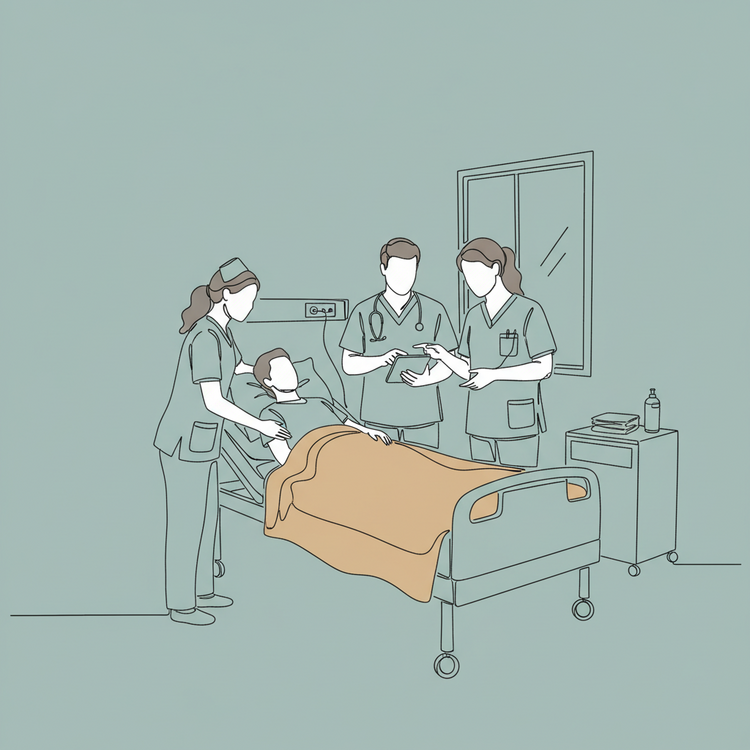
For individuals living with end-stage renal disease (ESRD), dialysis is often a lifeline—a demanding but necessary treatment that sustains the body when the kidneys can no longer function. Yet, there may come a time when the relentless cycle of treatments, dietary restrictions, and side effects begins to outweigh the benefits. The burden of dialysis can diminish a person’s quality of life, leading them and their families to ask a profound question: Is there another way?
Choosing to stop a life-sustaining treatment is one of the most difficult decisions a person can make. It is a path filled with emotion, uncertainty, and a deep desire for peace. This is where hospice care offers a compassionate alternative, shifting the focus from prolonging life to maximizing its quality. Hospice provides comfort, dignity, and specialized support for patients with kidney disease, ensuring their final chapter is lived on their own terms.
This article explores how hospice supports those with advanced kidney disease, what eligibility looks like, and what to expect when choosing comfort over curative treatment.
When Is It Time to Consider Hospice for Kidney Disease?
The transition to hospice care for a patient with ESRD is almost always prompted by the decision to stop or forgo dialysis. While this choice is deeply personal, it is the primary factor for hospice eligibility. According to guidelines from organizations like the National Hospice and Palliative Care Organization (NHPCO) , certain clinical markers help confirm that the body is in decline. These often include:
- Creatinine clearance of less than 10 mL/min.
- Serum creatinine levels greater than 8 mg/dL.
- Signs of uremia , such as confusion, nausea, or severe itching (pruritus).
- Significant comorbidities like congestive heart failure, advanced liver disease, or dementia that complicate care.
However, numbers on a lab report only tell part of the story. The truer indication is often the patient’s lived experience. When the hours spent in a dialysis chair feel stolen from family, when fatigue is constant, and when the treatment itself causes more suffering than relief, it may be time to discuss goals of care with family and medical providers.
How Hospice Manages Symptoms Without Dialysis
Once dialysis is discontinued, the body can no longer filter waste products and excess fluid from the blood. This leads to a condition called uremia, which causes a predictable set of symptoms. The core mission of hospice is to expertly manage this discomfort, allowing the patient to remain peaceful and alert for as long as possible.
The hospice care plan is highly individualized and may include:
- Fluid and Dietary Management: The care team helps patients adjust their intake of fluids and certain foods to minimize swelling (edema), shortness of breath, and electrolyte imbalances. The goal is comfort, not strict restriction.
- Managing Uremic Symptoms: The team uses medications to control nausea and vomiting, specialized lotions and therapies for persistent itching, and gentle interventions to soothe restlessness or confusion.
- Pain and Discomfort Relief: Pain can arise from various sources, including bone pain or neuropathy. The hospice team is skilled in providing pain relief that is both effective and safe for failing kidneys.
- Medication Adjustments: As the kidneys’ filtering ability declines, many medications are processed differently. The hospice nurse and physician will review all prescriptions to discontinue unnecessary ones and adjust dosages to prevent harmful side effects.
What to Expect When Dialysis Stops
Understanding the timeline and what happens physically can help reduce fear for both patients and their families. While every person’s journey is unique, studies show that after discontinuing dialysis, the median survival time is approximately 8 to 10 days. This predictable window provides a sacred opportunity for families to gather, share memories, say goodbye, and receive intensive support.
During this time, the hospice team provides comprehensive education to the family, explaining the changes they will see as the body naturally begins to shut down. They offer hands-on training for caregiving tasks and ensure that emotional, spiritual, and practical support is available 24/7. This preparation empowers families, allowing them to focus on being present with their loved one instead of being afraid of the unknown.
Supporting the Journey with Compassion and Planning
Unfortunately, many ESRD patients are referred to hospice very late, sometimes only in the final days of life. This often happens because conversations about end-of-life preferences are delayed. A growing movement in nephrology, sometimes called “supportive nephrology,” advocates for integrating palliative care principles much earlier in the disease process. This allows for ongoing conversations about quality of life versus quantity of life, helping patients complete advance directives and make their wishes clear long before a crisis occurs.
These discussions are vital. They give patients a voice, reduce family distress, and ensure that the care provided aligns with what matters most to the individual. Hospice teams are experts in facilitating these conversations, providing a safe space for families to explore their hopes, fears, and cultural or spiritual needs.
The decision to shift from curative treatment to comfort care is not one of failure, but of profound love and respect for a life well-lived. It is a choice to prioritize peace, to be free from painful interventions, and to spend every remaining moment surrounded by compassion and connection.
For families exploring hospice care for a loved one with end-stage renal disease, know that support is available. To learn more about how to manage symptoms and honor your loved one’s wishes for comfort and dignity, please call the Cairo Hospice team at +1 (937) 303-0593 .
You can also download our Complete Guide to Hospice Care for comprehensive information about the services and support available to your family during this important time.
Key Takeaways
- Hospice eligibility for kidney disease is primarily based on the patient’s choice to stop dialysis, supported by clinical indicators of decline.
- Hospice care focuses on expert symptom management without dialysis, including controlling nausea, itching, confusion, and pain to ensure comfort.
- After stopping dialysis, the median survival is about 8-10 days, providing a predictable window for emotional, spiritual, and family-centered care.
Read more related articles

Grief Support
End of Life Bible Verses for Caregivers: Strength and Hope
- August 3, 2026

Dementia Care
Guiding Your Spirit: Cultural & Spiritual Hospice Support
- July 27, 2026

Spiritual Signs Death Is Near: A Compassionate Guide
- July 20, 2026
The Compassion Chronicle