Hospice Basics
Nutrition and Hydration: Compassionate End-of-Life Decisions
- Cindy Curry
- November 14, 2025
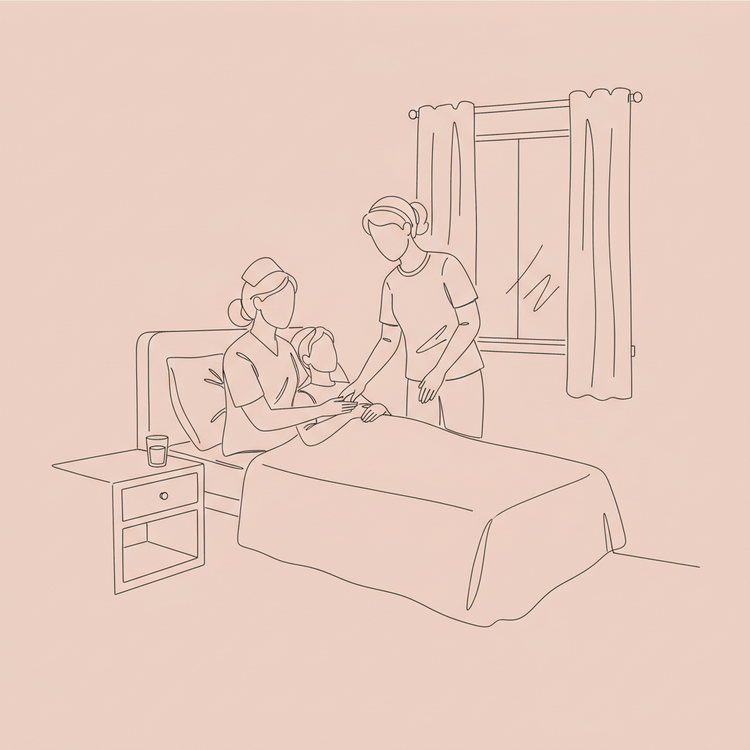
For many of us, offering food and drink is a fundamental way to show love and provide care. When a loved one is nearing the end of life and loses interest in eating, it can be deeply distressing, raising difficult questions and feelings of helplessness. It’s natural to worry that they are starving or suffering. However, understanding the body’s natural process during this time can help families shift their focus from calories to comfort, ensuring their loved one’s final moments are peaceful and dignified.
The journey through the end of life involves profound physical changes, and a decrease in appetite is one of the most common and expected parts of this process. This article will explore why this happens, discuss the role of artificial nutrition and hydration, and offer guidance on how to provide meaningful comfort when food is no longer the body’s priority.
The Body’s Changing Needs as Life Nears Its End
As a serious illness progresses, the body naturally begins to slow down. Its systems, including the digestive system, conserve energy for essential functions. A declining appetite and thirst are not a problem to be solved but rather a signal that the body can no longer process food and fluids effectively. As the American Academy of Hospice and Palliative Medicine (AAHPM) explains , this is a normal and expected part of the dying process.
Forcing a person to eat or drink at this stage can cause significant physical distress, including nausea, vomiting, bloating, and shortness of breath. The body simply doesn’t have the metabolic capacity to use the nutrients. Understanding this physiological shift helps reframe the situation: the person is not dying because they are not eating; they are not eating because their body is preparing to die.
Artificial Nutrition and Hydration: Weighing Burdens and Benefits
When a person can no longer eat or drink, families often ask about feeding tubes or intravenous (IV) fluids, known as artificial nutrition and hydration (ANH). While these interventions can be lifesaving in other medical situations, their role in end-of-life care is very different. For patients with a terminal illness, ANH rarely prolongs life or improves its quality.
In fact, research shows it can introduce significant burdens. According to a consensus statement in the Journal of the American Geriatrics Society, feeding tubes in patients with advanced dementia do not prevent aspiration pneumonia, heal pressure sores, or improve outcomes. They can lead to fluid overload, painful swelling, infections, and increased agitation that may require physical restraints. The decision to forgo ANH is not about withholding care; it is about protecting a loved one from interventions that are likely to cause more harm than good.
Shifting Focus to Comfort Feeding and Mouth Care
When the goal transitions from curative treatment to comfort care , our definition of “nurturing” also evolves. The focus moves away from caloric intake and toward providing pleasure and relieving discomfort. This is where “comfort feeding” comes in—offering small bites of favorite foods or sips of a preferred drink without any pressure to finish.
If a person enjoys the taste of ice cream, a small spoonful can be a source of great comfort. If they can no longer swallow, meticulous mouth care becomes one of the most important acts of caring. The National Institute on Aging highlights that keeping the mouth moist with swabs, ice chips, or lip balm can effectively relieve the sensation of thirst and prevent the discomfort of a dry mouth. This gentle, attentive care provides profound comfort and connection.
Navigating Family Guilt and Honoring Preferences
The emotional weight of these decisions is immense. Cultural and family traditions often center on food as a symbol of life and love, making it difficult to accept a loved one’s refusal to eat. It is essential for families to receive support and education from their hospice team to understand that they are not “giving up.”
This is why advance directives are so crucial. Having conversations about end-of-life wishes, including the use of feeding tubes, before a crisis occurs, empowers individuals and relieves their families of a heavy burden. Honoring a person’s documented preferences is a final act of love and respect, ensuring their journey ends on their own terms.
Ultimately, providing care at the end of life is about finding new ways to nurture. It’s about presence, gentle touch, sharing memories, and ensuring physical comfort. By letting go of the pressure to provide food, we can embrace a deeper form of connection, honoring every moment and ensuring our loved ones feel cherished and at peace.
If you are wrestling with these difficult questions about nutrition and hydration for a loved one, our compassionate team is here to help. Call Cairo Hospice at +1 (937) 303-0593 to speak with a care professional who can provide guidance and support. You can also download our Complete Guide to Hospice Care for more comprehensive information.
Key Takeaways
- A decrease in appetite and thirst is a natural and expected part of the dying process as the body’s metabolism slows down.
- Artificial nutrition (like feeding tubes) often causes more harm than good in terminally ill patients, leading to complications without improving quality of life.
- The focus of care should shift to comfort, including offering small amounts of food for pleasure (comfort feeding) and providing meticulous mouth care to relieve dryness.
Read more related articles
Grief Support
End of Life Bible Verses for Caregivers: Strength and Hope
- August 3, 2026
Dementia Care
Guiding Your Spirit: Cultural & Spiritual Hospice Support
- July 27, 2026

Spiritual Signs Death Is Near: A Compassionate Guide
- July 20, 2026
The Compassion Chronicle