Veteran Care
Honoring Service: Hospice Care for Women Veterans
- Cindy Curry
- November 25, 2025
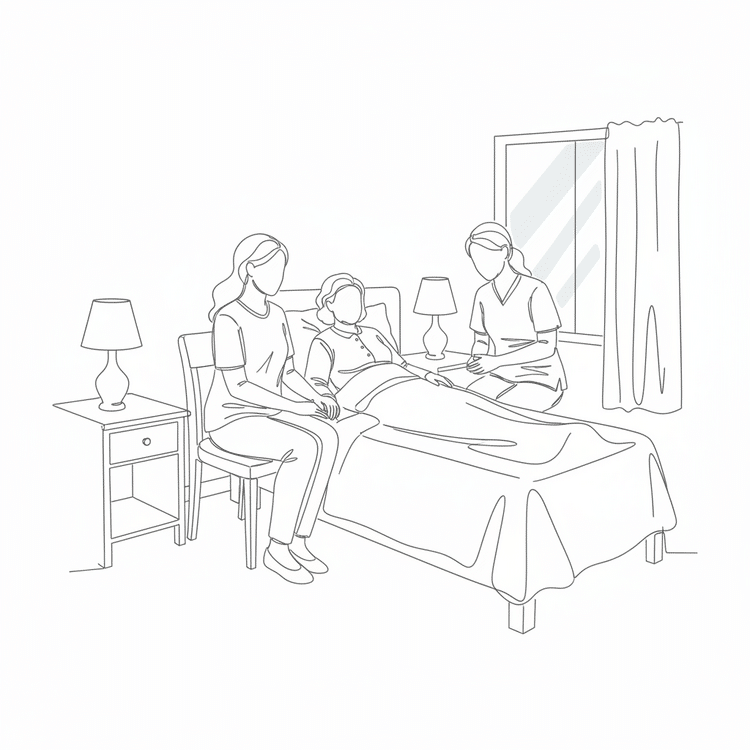
The number of women serving in the U.S. military has grown significantly, and with it, a new generation of women veterans is aging and requiring compassionate end-of-life care. Their experiences, sacrifices, and health needs are often distinct from their male counterparts, making specialized, gender-sensitive hospice care not just a preference, but a necessity. Women veterans have faced unique barriers and challenges in accessing healthcare, and at the end of life, it is our duty to provide care that sees, honors, and understands them completely.
For families and caregivers, understanding these unique needs is the first step toward ensuring a female veteran receives the dignity, respect, and comfort she deserves. This article will explore the specific health challenges women veterans face, the importance of trauma-informed care, and how to find a hospice provider that truly honors their service.
Unique Health Challenges Facing Women Veterans
A veteran’s health profile is shaped by their service, and for women, this can include a range of specific physical and mental health conditions. While some service-connected illnesses are shared among all veterans, women may have higher rates of musculoskeletal disorders, chronic pain, and autoimmune diseases. As the number of female veterans with serious illness grows , healthcare providers must be prepared to address these complex needs.
Furthermore, many women veterans are survivors of Military Sexual Trauma (MST), an experience that can have profound and lasting effects on both mental and physical health. This trauma can manifest as post-traumatic stress disorder (PTSD), anxiety, depression, and a deep-seated mistrust of institutional settings, including healthcare. A compassionate hospice plan must be built on a foundation of understanding these potential wounds.
Why Trauma-Informed Hospice Care is Essential
Trauma-informed care is an approach that recognizes and responds to the impact of trauma. For women veterans, especially MST survivors, this is a critical component of end-of-life care . It means creating an environment of absolute safety, trust, transparency, and collaboration. The goal is to empower the veteran, giving her control and choice at every step.
In a practical sense, this translates to how personal care is delivered. It involves:
- Ensuring Privacy and Dignity: Always asking permission before providing hands-on care, explaining every action, and ensuring the veteran is comfortable and covered.
- Offering Choice: Allowing the veteran to choose the gender of her caregiver when possible, which can be crucial for survivors of trauma.
- Building Trust: Moving at the veteran’s pace, listening without judgment, and creating a reliable and consistent care team.
- Avoiding Triggers: Being mindful of sounds, physical spaces, and approaches that could inadvertently trigger traumatic memories.
Overcoming Invisibility: Supporting and Recognizing Women Veterans
For decades, the image of a “veteran” has predominantly been male, leaving many women feeling invisible or that their service is less valued. At the end of life, it is profoundly important to counteract this narrative. Programs like We Honor Veterans provide resources to help hospice teams meet the specific needs of women veterans, ensuring their contributions are seen and celebrated.
Honoring service for a woman veteran involves more than a generic “thank you.” It means asking about her specific job in the military, the era she served in, and what her service meant to her. It’s about creating a space where she can share her story and be recognized not just as a veteran, but as a woman who served with courage and distinction.
How to Find Gender-Sensitive Hospice Care
When searching for a hospice provider for a woman veteran, it’s important to ask specific questions to gauge their level of preparedness and understanding. The Department of Veterans Affairs offers extensive resources through its Women Veterans Health Care program, which can help guide families in finding appropriate care.
Consider asking potential hospice agencies:
- Does your staff receive training on the specific health needs of women veterans?
- What is your approach to trauma-informed care, particularly for survivors of MST?
- How do you ensure the privacy, dignity, and personal preferences of female patients are respected during personal care?
- Do you have programs in place to specifically recognize and honor the service of women veterans?
The answers to these questions will help you find a team that is not only clinically proficient but also emotionally and culturally competent to care for the woman veteran in your life.
At Cairo Hospice, we believe every moment matters, and every veteran deserves to be honored. The journey for women veterans is unique, and their end-of-life care should be a reflection of their strength, resilience, and patriotism. By providing compassionate, trauma-informed, and gender-sensitive care, we can offer them the peace and dignity they have profoundly earned.
For families of women veterans exploring end-of-life care options that honor their unique service and address their specific needs, our team is here to provide support and guidance. Please call Cairo Hospice at +1 (937) 303-0593 to speak with a compassionate care coordinator. You can also download our Complete Guide to Hospice Care for more information on the services available to support your family.
Key Takeaways
- Women veterans often face distinct service-connected health issues and may feel overlooked in traditional veteran support systems.
- Trauma-informed care is essential, especially for survivors of Military Sexual Trauma (MST), to create a safe, trusting, and empowering environment.
- Actively recognizing a woman veteran’s specific military role and contributions is a vital part of providing dignified, person-centered end-of-life care.
Read more related articles
Grief Support
End of Life Bible Verses for Caregivers: Strength and Hope
- August 3, 2026
Dementia Care
Guiding Your Spirit: Cultural & Spiritual Hospice Support
- July 27, 2026

Spiritual Signs Death Is Near: A Compassionate Guide
- July 20, 2026
The Compassion Chronicle