
Grief Support
Helping Children Understand Death: A Compassionate Guide for Grieving Families
- Cindy Curry
- November 10, 2025
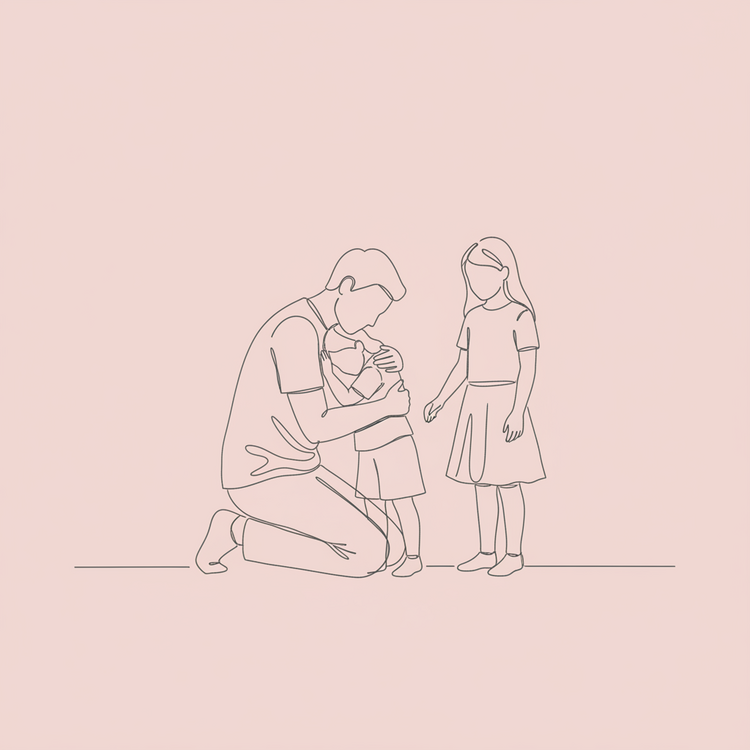
Discussing death with children is undoubtedly one of the most challenging conversations a family can face. It’s natural to want to shield them from pain, but providing honest, age-appropriate guidance is crucial for their long-term emotional well-being . Understanding how children process loss differently from adults can empower caregivers to offer the comfort and support they need.
At Cairo Hospice, we understand that every family’s journey through grief is unique, especially when young hearts are involved. This guide aims to provide compassionate insights into helping children navigate loss, offering practical advice for explaining death, handling their questions, and involving them in the grieving process.
Why Children’s Grief Differs from Adults
Children do not grieve like miniature adults. Their understanding of death evolves significantly with age, and their expressions of sorrow often manifest differently. While adults might express grief through sustained sadness, children often show it through play, behavioral changes, or even physical symptoms, rather than explicit verbalization of their feelings. For instance, preschoolers may view death as temporary, believing the person will return, while older children begin to grasp its permanence ( Dougy Center , NHPCO ).
Children also tend to grieve in puddles rather than continuous waves. They might cry intensely one moment and then return to playing shortly after, which can be confusing for adults. This is a normal coping mechanism that allows them to process difficult emotions in manageable doses without becoming overwhelmed.
Explaining Death Honestly by Age Range
Honest and clear communication is paramount, but the way you convey information should be tailored to a child’s developmental stage. Experts recommend avoiding euphemisms like “passed away” or “gone to sleep,” as these can confuse or frighten children and lead to misunderstandings (Mayo Clinic, 2023). Instead, use simple, direct language.
- Ages 0-3 (Infants and Toddlers): While they don’t understand death’s permanence, they react to changes in routine and the emotions of caregivers. Maintain routines, offer extra cuddles, and provide consistent care.
- Ages 3-5 (Preschoolers): They often see death as temporary and reversible. Explain simply that the person’s body stopped working and won’t start again. Reassure them that they are safe and loved.
- Ages 6-9 (School-Aged): They begin to understand death’s finality but may personify it (e.g., a monster) or worry its contagious. Be factual, explain natural causes if appropriate, and validate their fears.
- Ages 10-12 (Pre-Teens): They grasp permanence but may struggle with abstract concepts, feeling anger, guilt, or anxiety. Encourage open dialogue, answer questions patiently, and provide outlets for expression.
- Ages 13+ (Adolescents): They understand death much like adults but may also grapple with existential questions, identity, and peer relationships. They might seek independence or withdraw. Offer understanding, respect their need for space, and maintain an open door for conversation.
Handling Questions and Fears with Reassurance
Children will have questions, sometimes repetitive ones, as they try to make sense of loss. It’s vital to answer them truthfully and patiently. Be prepared for inquiries about what happens after death, if they will die, or if you will die. Reassure them about their safety, who will care for them, and that it’s okay to feel sad, angry, or confused.
Creating a safe, non-judgmental space for these conversations helps children feel heard and understood. Validate their feelings by saying, “It’s okay to be sad,” or “I understand you’re angry.” This teaches them that all emotions are acceptable and that they are not alone in their grief.
Including Children in Memorial Rituals
Engaging children in funeral and memorial rituals , with careful preparation and the option for participation, can be a crucial part of their grieving process. This helps them acknowledge the reality of the loss and say goodbye, fostering healthy coping mechanisms ( Hospice Foundation of America, 2022 ).
Before attending, explain what will happen, who will be there, and what they might see. Give them choices, such as whether to view the body, attend the service, or participate in a special way like drawing a picture or lighting a candle. Always provide a trusted adult who can sit with them or take them out if they become overwhelmed.
When to Seek Professional Grief Counseling
While grief is a natural process, some children may need additional support to navigate their loss. It’s important to recognize signs that suggest a child may benefit from professional grief counseling. These can include persistent behavioral issues, prolonged withdrawal, significant academic decline, or expressions of self-harm or intense guilt ( National Alliance for Children’s Grief, 2023 ).
Many hospice programs offer comprehensive bereavement services , including resources specifically designed for children and families. These can range from support groups to individual counseling, helping families navigate the grief process holistically ( Hospice News, 2024 ). Don’t hesitate to reach out if you are concerned about a child’s grief.
Navigating grief with children is one of the most challenging experiences a family can face. Remember, you don’t have to walk this path alone. For compassionate support and guidance on children’s grief or other hospice-related queries, please contact Cairo Hospice at +1 (937) 303-0593 . You can also explore further resources and insights by downloading our Complete Guide to Hospice Care, which offers comprehensive information about support services for families.
Key Takeaways
- Children grieve differently from adults, often expressing loss through play and behavior rather than sustained sadness.
- Honest, clear, and age-appropriate communication about death is crucial; avoid euphemisms.
- Involving children in memorial rituals, with careful preparation and choices, can aid their healing process.
- Seek professional grief counseling if a child exhibits persistent behavioral changes, withdrawal, or self-harming thoughts.
Read more related articles

End of Life Bible Verses for Caregivers: Strength and Hope
- August 3, 2026
Dementia Care
Guiding Your Spirit: Cultural & Spiritual Hospice Support
- July 27, 2026

Spiritual Signs Death Is Near: A Compassionate Guide
- July 20, 2026
The Compassion Chronicle