Dementia Care
Guiding Your Spirit: Cultural & Spiritual Hospice Support
- Cindy Curry
- July 27, 2026
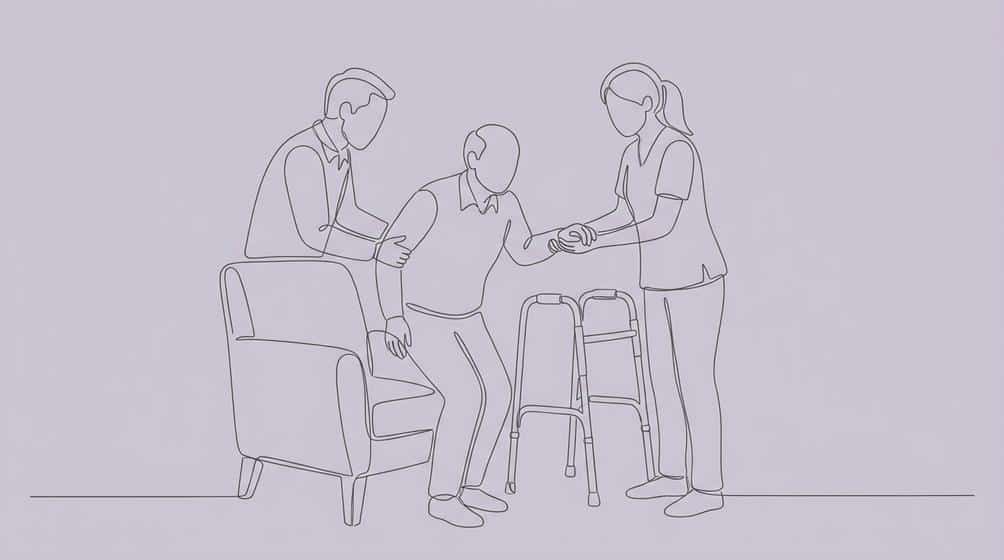
The end-of-life journey is a deeply personal experience, one that touches not only the body but also the heart and spirit. It is a time when our beliefs, values, and cultural traditions can provide immense comfort and meaning. Recognizing this, true hospice care goes beyond managing physical symptoms; it embraces and honors the whole person, providing a circle of support that respects every aspect of their life.
For many, this transition is not just a medical process but a profound spiritual journey. Layering cultural sensitivity with medical care is a fundamental requirement for dignity, helping to reduce the sense of isolation that can accompany illness and grief. When a care plan aligns with a patient’s deeply held values, it offers a sense of peace that medicine alone cannot achieve.
What is Spiritual and Cultural Support?
Spiritual care in hospice is a compassionate practice that addresses the religious, spiritual, and existential concerns of patients and their families. It is not confined to a single religion or denomination. Instead, it focuses on the universal aspects of the human spirit —such as meaning, purpose, connection, and transcendence. It’s about creating a safe space where individuals can explore their beliefs, express their fears, and find a deeper understanding of their life and legacy.
This type of support is recognized as a core component of high-quality palliative care. It involves listening with an open heart, honoring personal histories, and facilitating practices that bring comfort. For one person, that might mean prayer or scripture; for another, it could be listening to meaningful music, reflecting on nature, or having heartfelt conversations with loved ones.
Honoring Cultural Diversity at the End of Life
Culture shapes how we understand illness, how we express grief, and what rituals we turn to for comfort. Acknowledging and respecting this diversity is crucial for providing meaningful care. Hospice teams are dedicated to learning about and facilitating religious and cultural practices as desired by the patient and their family, both before and after death.
This commitment includes:
- Ensuring that language and symbols used by the care team are sensitive to diverse backgrounds.
- Supporting a family’s desire to display their own religious or cultural symbols in their environment.
- Coordinating with community clergy or spiritual advisors to ensure seamless support.
- Adapting care approaches to align with specific traditions surrounding death and dying.
When care is delivered with this level of genuine cultural respect, patients feel seen and validated, and families feel deeply supported in their time of need.
The Impact of Spiritual Care on Patients and Families
The positive effects of integrating spiritual support into end-of-life care are profound. Research shows that patients who receive spiritual support from their medical teams are more likely to experience a better quality of life . Addressing these needs helps reduce anxiety, improve coping mechanisms, and foster a greater sense of tranquility.
This support extends to the entire family. Grief and bereavement are significant parts of the hospice experience , and spiritual care provides invaluable comfort to caregivers and loved ones. Chaplains and other team members help families find strength, navigate the complexities of loss, and begin the healing process. Whether you are looking for guidance on the vital role of hospice chaplains or seeking to understand how to create meaningful rituals , the focus is always on providing a supportive presence.
At Cairo Hospice, we believe that every moment matters. Our approach is built on a foundation of compassion that honors the spiritual and cultural needs of every individual we serve. If you have questions about how our care can align with your family’s values and beliefs, our team is here to listen and provide answers. To learn more, call us at +1 (937) 303-0593 or download our comprehensive Hospice Care Guide for more information.
By embracing the spiritual and cultural dimensions of life, we can ensure that the end-of-life journey is one of dignity, peace, and profound connection.
Key Takeaways
- Spiritual support in hospice is not limited to religion; it addresses universal human needs for meaning, purpose, and connection.
- Culturally sensitive care, which includes honoring specific rituals and traditions, is essential for patient dignity and family comfort.
- Spiritual and cultural support has been shown to improve quality of life, reduce anxiety for patients, and provide crucial bereavement support for families.
Read more related articles
Grief Support
End of Life Bible Verses for Caregivers: Strength and Hope
- August 3, 2026

Spiritual Signs Death Is Near: A Compassionate Guide
- July 20, 2026

Comforting the Dying: Peaceful Bible Passages for Families
- July 16, 2026
The Compassion Chronicle