Hospice Careers
From Acute Care to Hospice: A Nurse’s Guide to Transitioning
- Cindy Curry
- March 1, 2026
For a nurse trained in the fast-paced, high-stakes world of acute care, the environment is defined by intervention. Every action is geared toward stabilizing, treating, and curing. The transition to hospice nursing isn’t just a change of scenery; it’s a profound shift in philosophy, trading the goal of extending life for the equally vital mission of enhancing the quality of the life that remains.
This change can be one of the most professionally and personally rewarding moves a nurse can make. It leverages your deepest clinical skills while calling on new levels of compassion, communication, and presence. This guide explores what you can expect when moving from the structured intensity of a hospital to the intimate, person-centered world of hospice care.
The Heart of the Change: From Cure to Comfort
The single most significant change is the shift from a curative to a palliative model of care. In an ICU or ER, success is often measured by a return to health. In hospice, success is measured by peace, dignity, and comfort. Your focus moves away from aggressive treatments and toward meticulous symptom management. Pain, anxiety, shortness of breath, and restlessness become your primary clinical challenges.
This reorientation is about honoring the patient’s journey and ensuring their final months, weeks, or days are lived on their own terms. It requires a deep understanding that providing comfort is not “giving up” but is instead an active, compassionate, and highly skilled form of care. The goal is to help patients live as fully as possible until they die, surrounded by familiarity and supported by a dedicated team.
Your Clinical Skills: Reimagined for a New Setting
While the philosophy changes, your core nursing skills remain essential; they are simply repurposed. As one provider notes, hospital nursing skills are highly transferable to hospice , though with a new focus. Your expertise in assessment, pharmacology, and critical thinking becomes the foundation for providing exceptional comfort.
Consider how your practice evolves:
- Assessment: You’ll still perform head-to-toe assessments, but your focus will be on anticipating and managing symptoms. You become an expert at reading non-verbal cues for pain or distress and adjusting the care plan in real-time.
- Critical Thinking: In hospice, you are often the primary clinical point of contact in a patient’s home. This autonomy empowers you to make critical decisions about symptom management, often with the remote support of the interdisciplinary team.
- Patient & Family Education: A huge part of your role becomes teaching. As the team guides a family through this difficult time, you will carefully explain what is happening, what to expect , and how caregivers can confidently care for their loved one.
A New Environment: The Sacred Space of Home
Transitioning from the controlled environment of a hospital to a patient’s chosen residence—whether a private home, assisted living facility, or nursing home—is a significant adjustment. You are no longer on your own turf; you are a guest in someone’s life. This requires a different level of respect, flexibility, and emotional intelligence. You learn to work with what is available, adapting your practice to the unique context of each family.
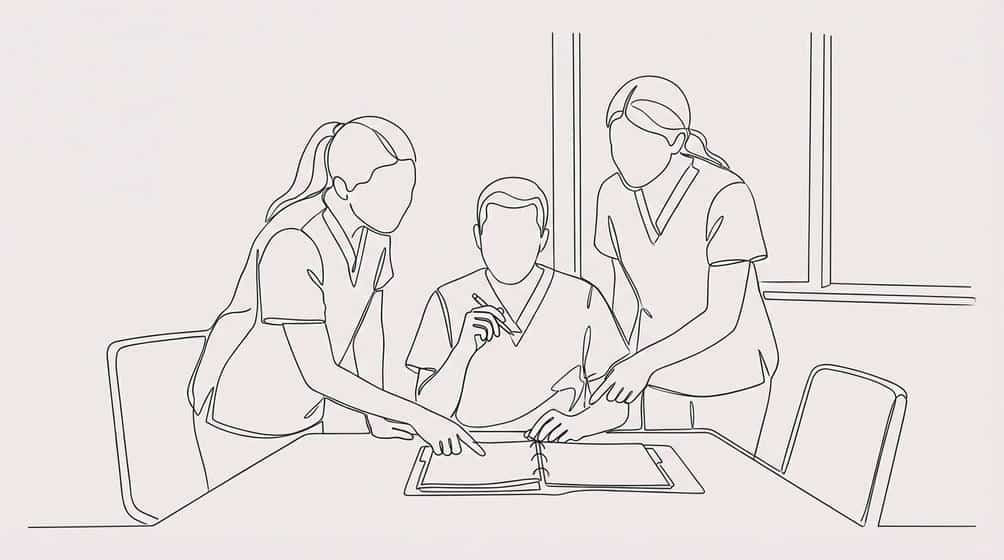
You are also not alone. You work closely with an interdisciplinary team of social workers, chaplains, home health aides, and volunteers. This collaborative approach ensures that the patient’s physical, emotional, and spiritual needs are all addressed, providing a holistic safety net for both the patient and their family.
Navigating the Emotional Journey
The emotional landscape of hospice nursing is rich and complex. The work is intimate and can be heartbreaking, but it is also filled with moments of profound connection and grace. You are present for some of the most vulnerable and meaningful moments in a family’s life. This is a privilege that requires immense emotional resilience .
It’s also important to recognize that the transition to hospice can be a stressful time for families, and a rushed process can increase the risk of miscommunication and emotional distress . As a hospice nurse, your calm, reassuring presence helps create a space of safety and trust, allowing families to focus on saying goodbye.
For nurses who feel called to a career that blends clinical excellence with deep human connection, the transition to hospice can be a powerful and fulfilling path. It is a specialty that reminds us why many of us entered nursing in the first place: to provide comfort, care, and dignity when it matters most.
If you are a nurse exploring a more meaningful career path, or a family seeking compassionate end-of-life care, the team at Cairo Hospice is here to answer your questions and provide support. For more information, please call us at +1 (937) 303-0593 .
You can also download our Complete Guide to Hospice Care for a comprehensive overview of the services available to your family.
Key Takeaways
- The primary change from acute care to hospice nursing is a philosophical shift from curative treatment to comfort-focused care and symptom management .
- Your core clinical skills are directly transferable but are repurposed to enhance patient quality of life, with an emphasis on autonomy and critical decision-making in the home.
- Hospice nursing involves working within a patient’s home as a guest and collaborating closely with an interdisciplinary team to provide holistic support to both the patient and their family.
Read more related articles
Grief Support
End of Life Bible Verses for Caregivers: Strength and Hope
- August 3, 2026
Dementia Care
Guiding Your Spirit: Cultural & Spiritual Hospice Support
- July 27, 2026
Spiritual Signs Death Is Near: A Compassionate Guide
- July 20, 2026
The Compassion Chronicle